Walnut and oak are the two woods we work with most often. Both are genuine solid wood, both last for generations – but they look different and behave differently. The choice has more to do with your interior than with quality.
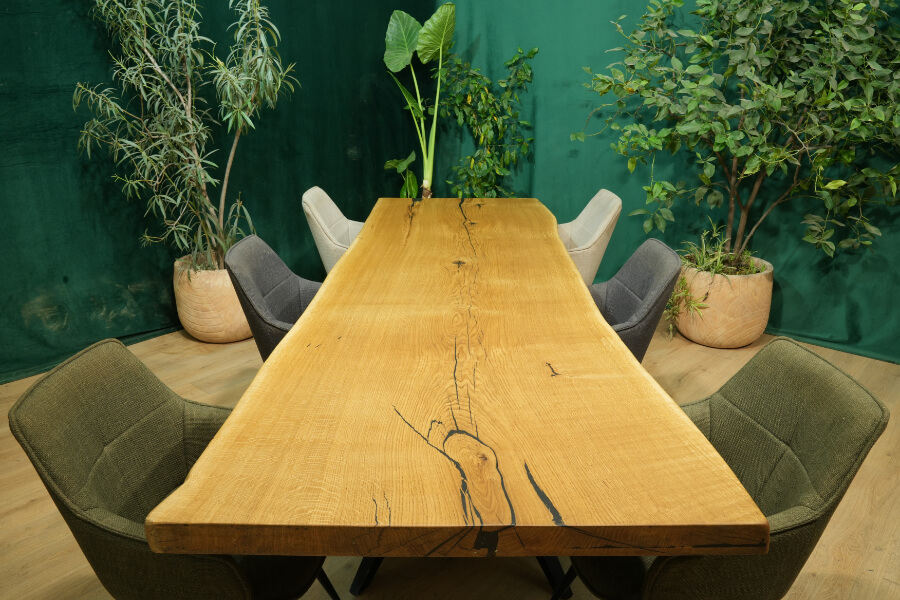
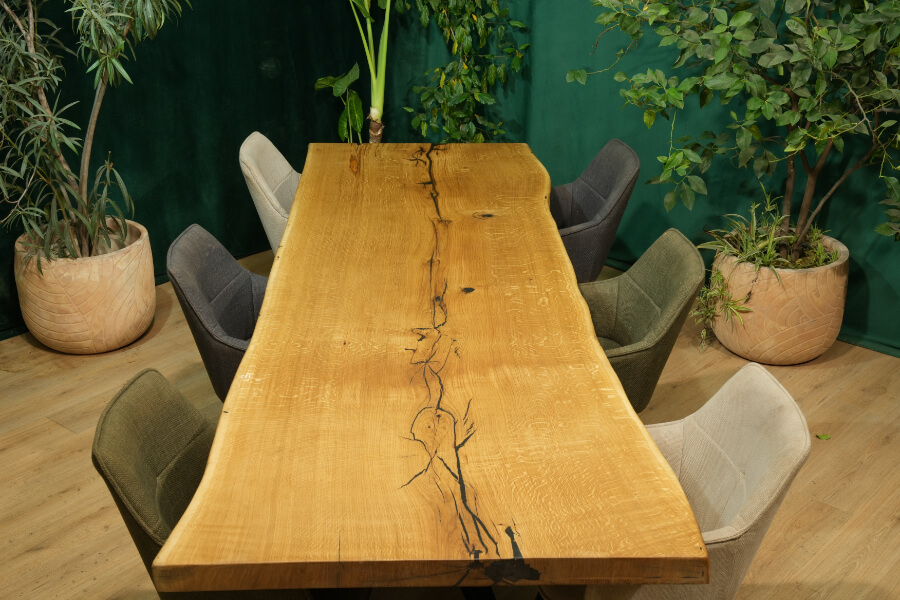
Oak: light, calm, open grain
Oak has a visible, open grain in shades of honey and beige. It reflects the light and makes a room feel larger – which is why it works so well in flats, open-plan kitchens and Scandinavian or minimalist interiors. It is also the harder of the two woods and stands up better to everyday life with children.
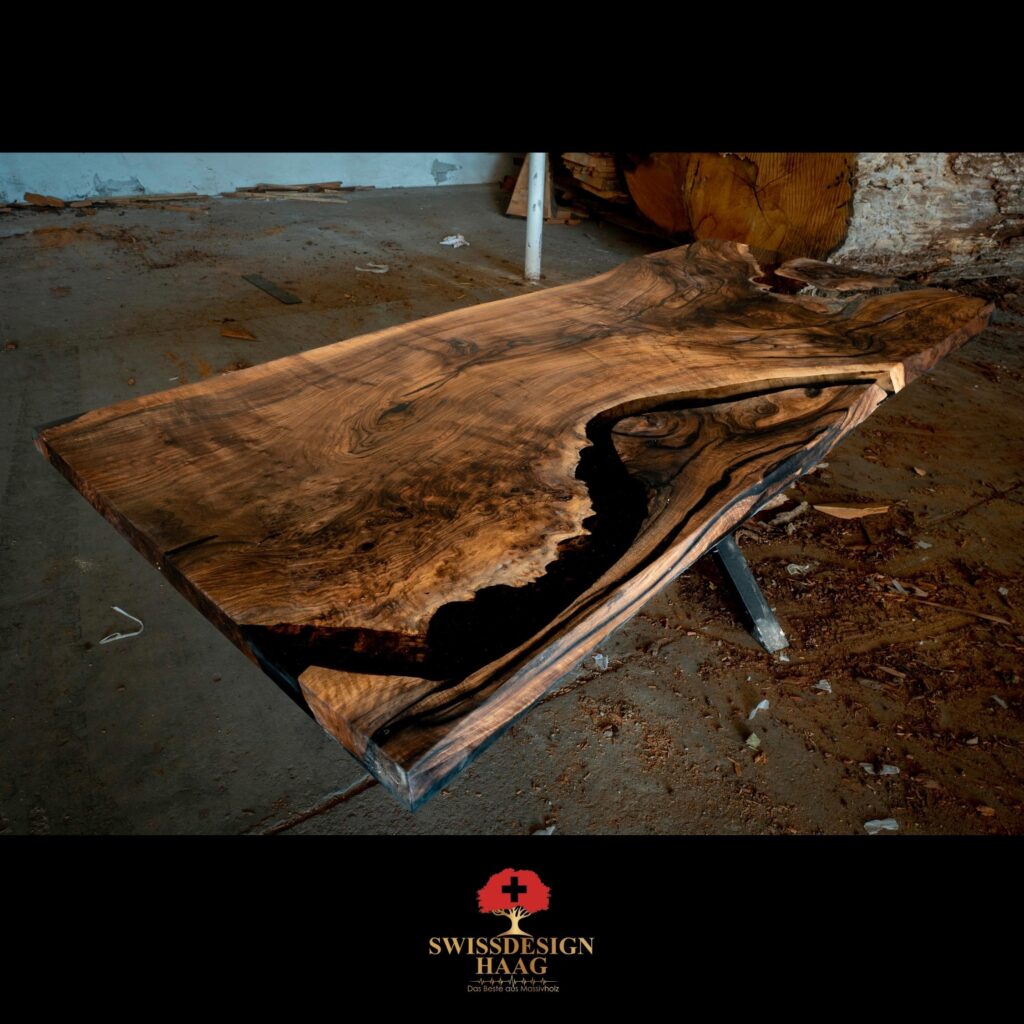
Walnut: depth, contrast, character
Walnut is darker, with chocolate-coloured veining and shifts of colour that make every slab unique. In a light room it becomes the focal point; in a room that is already dark it can be too much. It is slightly softer than oak, but its figure is something no one can imitate.
How to choose in practice
Look at your floor and your fitted furniture. If they're in light or white wood, walnut adds the contrast that's missing. If there's already a lot of dark wood, oak restores the balance. And if you can't decide, come to the showroom. You'll see both side by side, and the difference is obvious within three seconds – far clearer than in any photo.
Walnut usually costs 20–30% more than oak, because walnut logs are rarer and yield less usable timber when cut.